
-

Mon – Sat : - 10:00 AM - 7:00 PM
Sunday :- Close -

Expo Tower,2B, Second floor Raghunathpur,
Patia, Bhubaneswar-751024
Mon – Sat : - 10:00 AM - 7:00 PM
Sunday :- Close
Expo Tower,2B, Second floor Raghunathpur,
Patia, Bhubaneswar-751024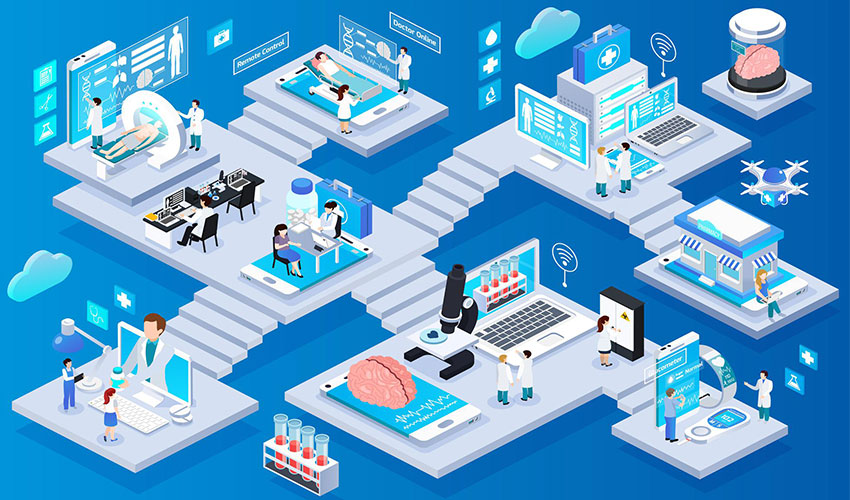
Manoeuvre Healthcare solutions believe Healthcare Infrastructure is not merely about constructing a building; it is about designing a clinically efficient, financially viable, and patient-centric healing environment. Our planning approach integrates medical functionality, regulatory compliance, future scalability, and operational efficiency into every square foot of the facility.
Master Planning forms the foundation of every successful healthcare
project. We carefully analyze land potential, specialty mix, projected bed capacity, and
long-term expansion requirements to create a structured development roadmap. This
ensures optimal land utilization, phased growth capability, and alignment with financial
projections
Functional Zoning is strategically developed to separate clinical,
diagnostic, administrative, and public areas while maintaining seamless connectivity.
Proper zoning enhances infection control, reduces congestion, and improves operational
coordination between departments.
Patient Flow Optimization is central to our design philosophy. From OPD
entry to discharge pathways, we map patient, staff, and material movement to minimize
cross-traffic, waiting time, and operational bottlenecks. Efficient circulation planning
directly improves patient experience and hospital productivity
Our layouts are developed with strict adherence to NABH-compliant standards
, ensuring readiness for accreditation from the design stage itself. Fire
safety norms, biomedical waste pathways, emergency exits, and statutory clearances are
integrated into the architectural framework rather than treated as post-construction
corrections.
Special attention is given to ICU and Operation Theatre workflow planning
, where precision, sterility, and accessibility are critical. We design sterile
corridors, scrub areas, CSSD integration, medical gas routing, and equipment positioning
to enhance surgical efficiency and patient safety.
Finally, we incorporate sustainable and green hospital concepts through energy-efficient
systems, natural lighting optimization, HVAC efficiency planning, and environmentally
responsible material selection. This reduces long-term operational costs while aligning
with global healthcare sustainability standards.